In the vast and profound traditions of Hinduism, Pitru Paksha holds a place of utmost sanctity. This sacred fortnight is dedicated to remembering, honoring, and expressing gratitude to our ancestors. Each day of Pitru Paksha has a specific significance, and among them, the sixth day or Shashthi Shraddha is observed with deep devotion.
Unlike ordinary days, the period of Pitru Paksha is seen as a time when the souls of ancestors come closer to their descendants. Performing Shraddha, Tarpan, and Pind Daan rituals during this time ensures that the forefathers are satisfied, their souls attain peace, and their blessings enrich the lives of their living descendants. Shashthi Shraddha, being an integral part of this period, embodies spiritual duty, cultural continuity, and a deep-rooted connection with heritage.
What is Shashthi Shraddha?
Shashthi Shraddha refers to the Shraddha performed on the sixth lunar day (Shashthi Tithi) of Pitru Paksha. According to the scriptures, this day is particularly important for honoring ancestors who may have passed away on this specific tithi. However, it is not restricted only to such cases. Even if one does not know the exact dates of their ancestors’ passing, performing Shraddha on Shashthi Tithi still holds immense spiritual value.
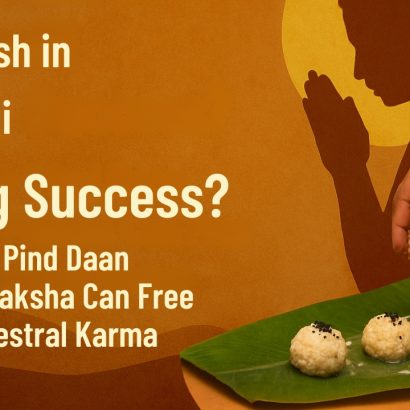
The ritual primarily involves Tarpan (offering of water), Pind Daan (offering of rice balls), and Daan (charity) to Brahmins or the needy. Each step carries symbolic meaning and is believed to directly help the departed souls in their journey toward peace and liberation.
Importance of Shashthi Shraddha
The significance of Shashthi Shraddha is manifold:
- Spiritual Reconciliation – It bridges the gap between the physical and spiritual worlds, connecting descendants with their ancestors.
- Removal of Pitru Dosh – Scriptures mention that when Shraddha rituals are neglected, it may cause Pitru Dosh, which manifests as family obstacles. Performing Shashthi Shraddha helps reduce its effects.
- Strengthening Dharma – The act of Shraddha is an essential duty, a moral obligation every descendant must fulfill.
- Blessings for Prosperity – Ancestors, when satisfied, bestow blessings of fertility, prosperity, health, and harmony upon their lineage.
- Generational Continuity – By honoring the past, we secure blessings for the present and future generations.
Rituals of Shashthi Shraddha
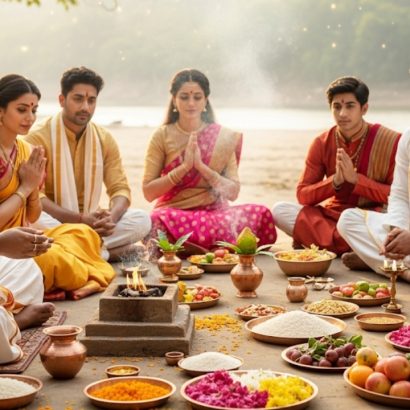
Performing Shashthi Shraddha does not require grandeur; devotion and sincerity matter most. The rituals traditionally include:
- Purification: The performer begins the day with a holy bath and wears clean, simple clothes.
- Sankalp (Intention): The devotee makes a solemn vow to perform the Shraddha rituals for the peace of their ancestors.
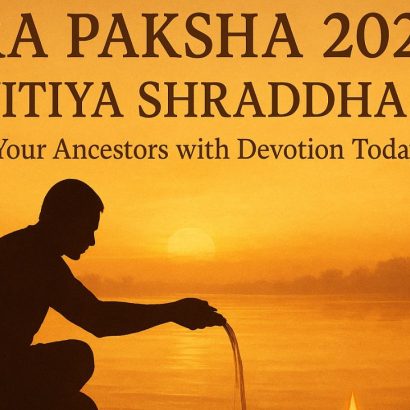
- Tarpan: Water mixed with sesame seeds and barley is offered while chanting Vedic mantras. Water represents the eternal flow of life, while sesame seeds signify nourishment for the departed.
- Pind Daan: Rice balls (pindas) made from cooked rice and barley flour are offered as symbolic food for ancestors.
- Daan (Charity): Essentials like food, clothing, and dakshina are donated to Brahmins or needy people.
- Brahmin Bhojan: Feeding priests or the underprivileged symbolizes feeding the ancestors themselves.
Each ritual is performed with prayers for peace, forgiveness, and blessings.
The Spiritual Symbolism
Every step of Shashthi Shraddha holds deeper symbolism:
- Tarpan with water symbolizes gratitude and acknowledges the flow of life.
- Pind Daan with rice balls reflects sustenance for the souls, a way of ensuring they are spiritually nourished.
- Charity (Daan) represents the continuity of virtues and deeds, extending goodness beyond one’s family to society.
These rituals signify that while life is temporary, the bonds of love and respect are eternal.
Benefits of Performing Shashthi Shraddha
The benefits of observing Shashthi Shraddha extend beyond spiritual peace for ancestors—they directly impact the lives of descendants as well.
- Peace to Ancestors: Ensures the departed souls attain higher realms of peace and liberation.
- Removal of Obstacles: Clears karmic imbalances that manifest as delays, conflicts, or health issues in families.
- Wealth and Prosperity: Invites prosperity and stability into the household.
- Harmonious Relationships: Strengthens unity among family members by removing unseen spiritual blockages.
- Spiritual Growth: Enhances the performer’s spiritual merit and cultivates humility, devotion, and gratitude.
Shashthi Shraddha in Different Regions
While the essence remains the same, rituals may vary slightly across regions:
- In North India, special emphasis is placed on offering food grains and seasonal fruits.
- In South India, Shraddha often involves cooked rice, sesame seeds, and specific offerings unique to local traditions.
- In Eastern India (Bihar, Bengal, Odisha), Pind Daan at Gaya is considered highly auspicious and is performed by countless devotees.
Despite regional variations, the intention remains the same—to ensure the well-being of the ancestors’ souls and seek their blessings.
Why Perform Shashthi Shraddha Today?
Timing in Hindu rituals is vital. Performing Shashthi Shraddha on the exact tithi yields greater spiritual merit than performing it on other days. Scriptures emphasize that rituals performed at the right time act as powerful channels for blessings. Missing the Shashthi Tithi may reduce the ritual’s potency, although alternatives exist. Therefore, today is an ideal opportunity to honor your ancestors and ensure their satisfaction.
The Emotional and Cultural Essence
Beyond rituals, Shashthi Shraddha reflects the emotional fabric of Indian culture. It reminds us that our lives are built on the sacrifices of those who came before us. Their blessings, guidance, and energies continue to influence our present. By offering Shraddha, we not only repay a debt of gratitude but also reaffirm our values of love, duty, and respect.
The cultural essence of Shashthi Shraddha lies in continuity—ensuring that traditions are preserved, family unity is maintained, and spiritual roots remain strong.
Conclusion
Pitru Paksha Shashthi Shraddha is not merely a ritual—it is an act of devotion, gratitude, and responsibility. It is a sacred opportunity to connect with the eternal, to express reverence for ancestors, and to seek blessings for generations to come.
By performing Shraddha with sincerity, one not only ensures the peace of their forefathers but also invites harmony, prosperity, and spiritual growth into their own life. If you wish to strengthen your lineage’s bond with divinity and tradition, today—on the Shashthi Tithi of Pitru Paksha 2025—is the perfect day to act.