Sharad Purnima, also known as Kojagari Purnima or Kaumudi Purnima, is one of the most important full moon nights in the Hindu calendar. Falling in the month of Ashwin (September–October), it marks the end of the monsoon season and the beginning of the harvest cycle. This festival holds immense religious, cultural, and scientific significance. It is celebrated with devotion, rituals, fasting, and night-long vigils, making it one of the most enchanting nights of the year.
Sharad Purnima 2025 will be observed on October 6, 2025. On this night, the moon shines with all its sixteen kalas (phases), which according to Vedic texts, represent completeness and perfection. It is said that the moon’s rays on this night have special healing powers, capable of nourishing both body and soul.
From Lakshmi Puja to preparing moonlit kheer, from spiritual fasts to cultural gatherings, Sharad Purnima beautifully blends faith, wellness, and prosperity. Let’s explore the deeper layers of this festival that continue to make it relevant even today.
The Rituals of Sharad Purnima
1. Goddess Lakshmi Puja
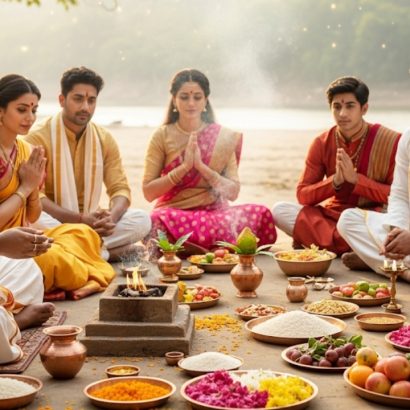
Sharad Purnima is strongly associated with Goddess Lakshmi, the goddess of wealth, abundance, and prosperity. Devotees perform Lakshmi Puja at night by lighting lamps, offering flowers, and chanting mantras. Many business families also consider this day auspicious for financial growth and new beginnings.
2. Night-Long Vigil (Kojagari Vrat)
The word “Kojagari” comes from the Sanskrit phrase “Ko jagarti?” meaning “Who is awake?” It is believed that Goddess Lakshmi roams the Earth on this night, blessing those who remain awake with prosperity and success. Devotees keep vigil, singing devotional songs, meditating, or reading scriptures throughout the night.
3. Kheer under Moonlight
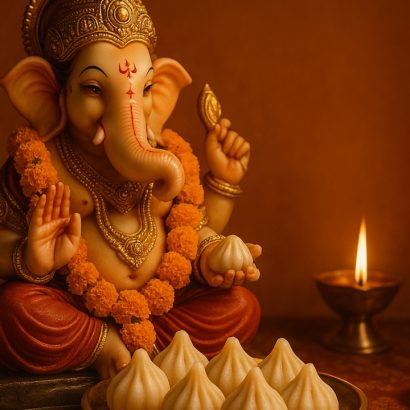
Perhaps the most beautiful ritual of Sharad Purnima is the preparation of kheer—a mixture of rice, milk, and sugar. The dish is kept under the open sky, directly exposed to moonlight. According to tradition, the moon’s rays on Sharad Purnima enrich the food with divine energy, making it a source of health and blessings. Families then consume this kheer as prasad the next morning.
4. Fasting and Spiritual Discipline
Many devotees observe a fast throughout the day and break it after midnight rituals. The fast is not just about food abstinence; it is a practice of discipline, self-control, and devotion to spiritual growth.
Mythological Stories Behind Sharad Purnima
The Raas Leela of Lord Krishna
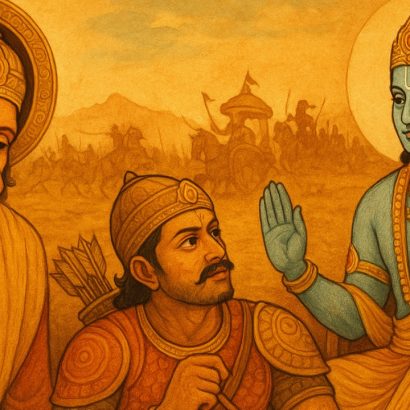
One of the most popular legends associated with Sharad Purnima is the Raas Leela of Lord Krishna. On this night, Krishna is believed to have played his flute in the forests of Vrindavan, enchanting the Gopis (cowherd maidens). They left their homes to dance with him in a divine circle, symbolizing eternal love, devotion, and the soul’s union with the divine. This story makes Sharad Purnima one of the most celebrated nights in Vaishnava tradition.
Lakshmi’s Night of Blessings
Another belief says that Goddess Lakshmi descends to Earth on this night, searching for devotees who are awake and engaged in worship. Those who remain vigilant and devoted are rewarded with wealth, happiness, and prosperity.
Harvest and Prosperity Connection
Sharad Purnima also marks the end of monsoon and the beginning of the harvest season. It has traditionally been a time of gratitude for abundance and prayers for a prosperous future.
Spiritual and Scientific Significance
Sharad Purnima is a perfect example of how ancient traditions combine spiritual wisdom and scientific logic.
- Spiritual Aspect: The moon is considered a symbol of calmness, beauty, and nourishment. Its full radiance on Sharad Purnima symbolizes completeness, harmony, and divine energy.
- Health Benefits: Ayurvedic scriptures emphasize that the moonlight of Sharad Purnima cools the body, balances Pitta dosha, and enhances immunity. Consuming moon-charged kheer is believed to aid digestion and promote wellness.
- Emotional Healing: Sitting under the moonlight is said to relieve stress, calm the mind, and improve emotional balance.
Modern Celebrations of Sharad Purnima
In today’s era, Sharad Purnima is celebrated in both traditional and contemporary ways:
- Community Gatherings: Temples organize bhajans, kirtans, and devotional storytelling sessions to keep the tradition alive.
- Spiritual Retreats: Wellness centers host moon meditation sessions, encouraging people to absorb positive lunar energy.
- Digital Celebrations: With the rise of online platforms, many people now book online puja services to participate in rituals, even from afar.
- Ayurvedic Wellness Trends: The tradition of moonlight kheer is now being reinterpreted in wellness communities as a form of Ayurvedic healing practice.
Business and Cultural Opportunities
For entrepreneurs and spiritual businesses, Sharad Purnima offers a unique opportunity to connect with communities:
- Puja Services: Providing online or in-person Lakshmi Puja bookings for households and businesses.
- Wellness Products: Selling Ayurvedic herbs, organic rice, or ready-to-make kheer kits aligned with festival traditions.
- Cultural Events: Hosting Sharad Purnima-themed events, music nights, or devotional gatherings.
- Digital Content: Sharing blogs, reels, and cultural stories to engage spiritual audiences and expand reach.
Aligning with Sharad Purnima not only builds cultural relevance but also enhances brand trust among audiences seeking authentic spiritual connections.
Sharad Purnima is more than a full moon festival; it is a celebration of health, prosperity, devotion, and community bonding. From Lakshmi Puja rituals to Krishna’s Raas Leela stories, from Ayurvedic healing traditions to modern wellness practices, this festival carries timeless relevance.
In 2025, as we celebrate Sharad Purnima on October 6, let us embrace the deeper meaning of the festival. Whether through devotion, wellness practices, or community gatherings, this sacred night reminds us of the harmony between cosmic energy, spiritual growth, and human prosperity.
As the moon glows at its brightest, may Sharad Purnima bring abundance, healing, and joy to every life it touches.