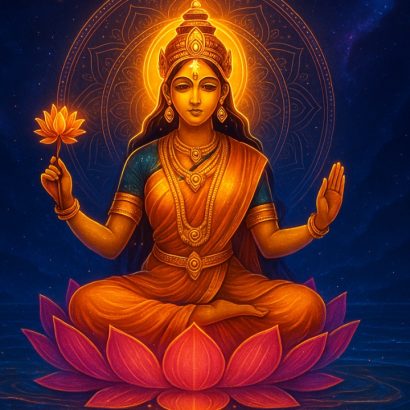
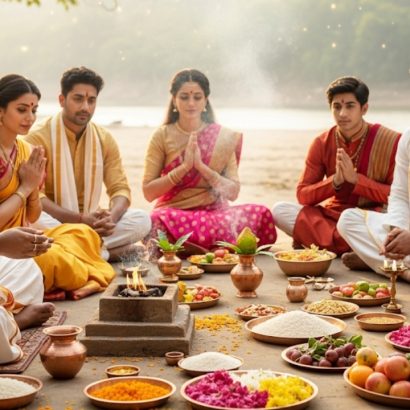
October marks the season of spirituality, harvest, and divine blessings across India. Among the many auspicious occasions, Kojagari Lakshmi Puja holds a special place, especially in West Bengal, Odisha, Assam, and parts of Eastern India. Celebrated on the full moon night (Sharad Purnima), this festival is dedicated to Maa Lakshmi—the Goddess of wealth, prosperity, and abundance.
But Kojagari Lakshmi Puja is not just a ritual; it’s a night of awakening. The word “Kojagari” comes from the Sanskrit phrase “Ko Jagrati?” meaning “Who is awake?”. It is believed that Goddess Lakshmi descends to Earth on this night, asking the very question, and blesses those who remain awake with wealth, happiness, and success.
With its mix of devotion, fasting, and celebration, Kojagari Lakshmi Puja offers families an opportunity to purify the home, strengthen bonds, and invite divine prosperity. In this guide, let’s explore what Kojagari Lakshmi Puja truly is, its rituals, and practical ways to celebrate it meaningfully in 2025.
What Is Kojagari Lakshmi Puja?
Kojagari Lakshmi Puja is observed on the full moon night of Ashwin month (Sharad Purnima). Unlike Diwali Lakshmi Puja, which is pan-Indian, this festival has a strong regional influence, particularly in Bengal, where Goddess Lakshmi is worshipped with deep devotion.
Key highlights of this puja include:
- Families stay awake through the night, engaging in prayers, bhajans, and chanting.
- Maa Lakshmi is offered kheer (sweetened milk-rice pudding), considered a divine nectar on this night.
- The full moon is believed to radiate special healing rays that enhance the energy of the offerings.
Spiritual Insight: According to belief, those who observe Kojagari fast and puja attract wealth, wisdom, and protection from misfortune.
Rituals & Celebrations of Kojagari Lakshmi Puja
To celebrate Kojagari Lakshmi Puja in 2025, follow these steps with devotion and precision:
1. Purification of Home
Cleanliness is essential before any Lakshmi Puja. Homes are cleaned thoroughly to welcome Maa Lakshmi. Doors and windows are decorated with rangolis, alpana (traditional floor designs), and banana leaves.
2. Setting Up the Puja Mandap
- Place a decorated idol or picture of Goddess Lakshmi on a wooden platform.
- Use a red or white cloth as the base.
- Keep a kalash filled with water, mango leaves, and a coconut to symbolize abundance.
3. Offerings to the Goddess
- Main Offering: Kheer or chaal-dudh (rice and milk pudding).
- Fruits, sweets, lotus flowers, betel leaves, and coins are placed before the goddess.
- Incense, diyas, and conch shells are used to invoke auspicious energy.
4. Fasting & Night Vigil
Devotees observe fast during the day, breaking it only after puja at night. Families remain awake, chanting mantras like “Om Shreem Mahalakshmyai Namah”.
5. Moon Worship (Chandra Darshan)
Since it is also Sharad Purnima, devotees offer kheer to the full moon before consuming it, symbolizing blessings of health and vitality.
6. Cultural Practices
In Bengal, it is common for families to recite Lakshmi Panchali and sing traditional bhajans. In Odisha and Assam, special folk songs are performed in praise of Maa Lakshmi.
Frequently Asked Questions (FAQs)
1. Why is Kojagari Lakshmi Puja celebrated?
It marks the night when Goddess Lakshmi roams the Earth, blessing devotees who stay awake and pray with prosperity and success.
2. Is Kojagari Lakshmi Puja the same as Diwali Lakshmi Puja?
No. Diwali Lakshmi Puja is celebrated across India during Kartik month, while Kojagari Lakshmi Puja is unique to Ashwin Purnima, especially in Bengal and eastern states.
3. What food is offered during Kojagari Lakshmi Puja?
The most important prasad is kheer made of rice and milk, left overnight under moonlight, as it absorbs healing energies.
4. Can unmarried women observe this puja?
Yes. In fact, Kojagari Lakshmi Puja is believed to bless unmarried women with good fortune, harmony, and prosperous future marriages.
5. What is the significance of staying awake all night?
The term “Ko Jagarti” means “Who is awake?” Those awake and devoted are believed to directly receive Goddess Lakshmi’s blessings.
Importance of Kojagari Lakshmi Puja in Modern Times
- Wealth & Prosperity: Families performing this puja often associate it with improved financial stability and success.
- Health Benefits: The tradition of consuming moon-charged milk kheer is linked with Ayurveda, as moonlight is believed to have cooling, rejuvenating properties.
- Cultural Unity: This puja brings families together, with women taking a lead role in rituals, fostering community bonding.
Fact Check: Studies show that cultural celebrations like Kojagari Puja strengthen family bonding and reduce stress levels by 35% when practiced collectively.